Wangari Women Program
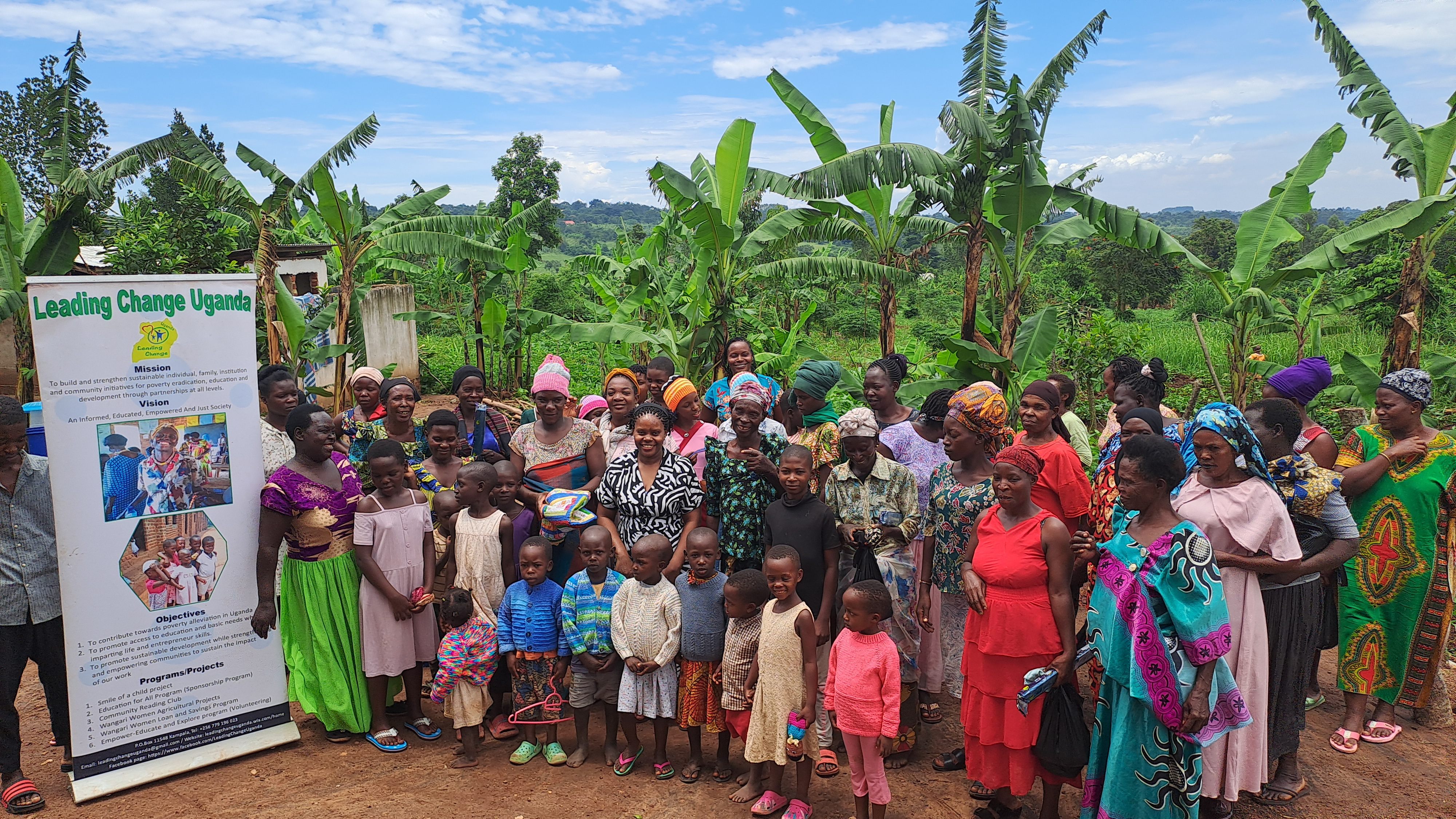
The program aims to empower women aged 15 and above who face social, cultural, and economic challenges. It consists of five groups based on location, each with leadership chosen by members. Since 2017, it has supported 300 women in rural areas including Buwaali, Vumba, Kawaala, Nansana, and Nsekwa through agriculture, tailoring, and entrepreneurship projects to fight early child marriages and illiteracy.
The program fosters unity as women collaborate on projects such as revolving animal farming, soap making, and charcoal business. It equips them with skills in personal development (5D Cycle of Self-Discovery), leadership, creative arts, entrepreneurship, financial literacy, and peacebuilding. Monthly meetings encourage discussion and solutions to challenges.
Trainings
These have empowered women to improve employment prospects through small businesses. “Working together is the only way we can fight poverty,” says Namubiru Florence, Field Coordinator. The training includes conflict resolution (led by Hellen Ziribagwa in 2019) and modern farming methods.
Agricultural projects
Women have planted acres of sweet potatoes, tomatoes, beans, and engaged in pig farming. Profits are shared among women, the Smile of a Child project, and LCU, ensuring sustainability. Trainings include practical onsite visits.
Innovation training workshops
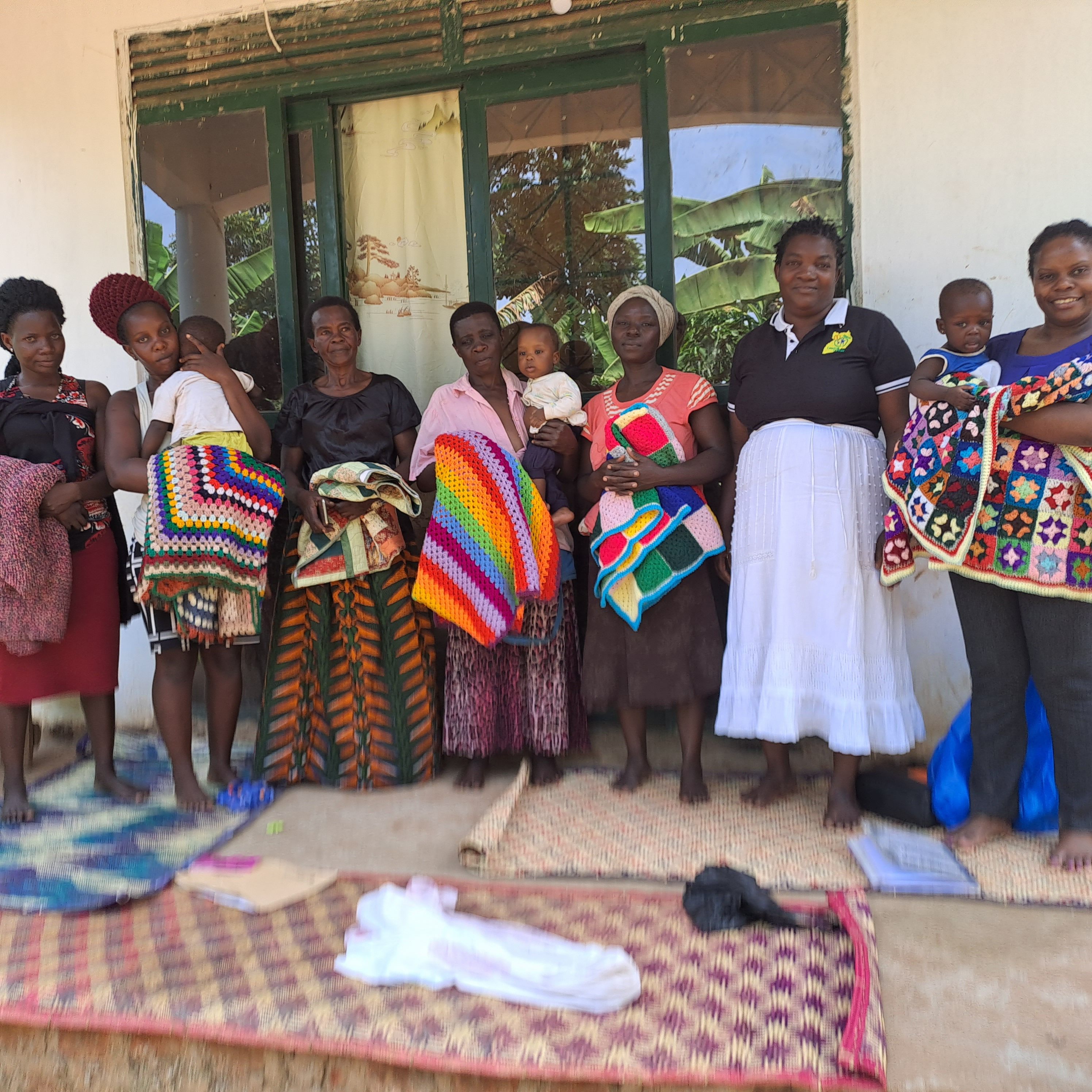
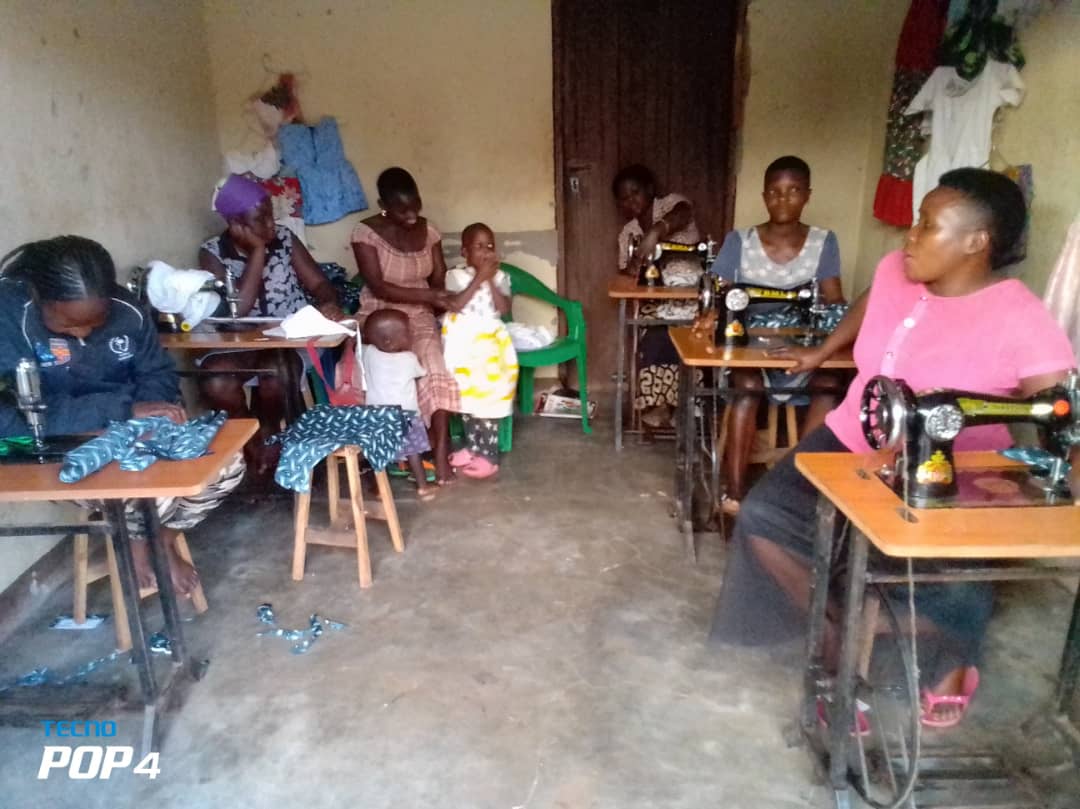
Since 2017, women have learned tailoring, arts, and crafts. Linda Mitchell’s 2017 volunteer training helped 43 women make dresses, reusable sanitary pads, bags, and jewelry. This has enabled women to start businesses and support their families.
Tailoring project - Reusable Sanitary Pads
Sewing machines donated by friends in Scotland and the US have helped women make reusable pads, reducing school dropouts linked to menstruation challenges and fighting early child marriages.
Menstruation hygiene training
Women educate girls in schools about menstrual hygiene and provide reusable pads, protecting them from abuse and encouraging school attendance.
Food and other items
During COVID-19, women promoted preventive measures and distributed donated masks and food to vulnerable families, supported by friends from Uganda, Scotland, and Australia.
Wangari Women Revolving Micro-Finance Scheme
Launched in 2019, the scheme encourages saving and loans for business startups and family support. Membership grew from 50 to 300 women. Financial literacy clinics and peer meetings empower women to manage finances and grow their businesses.
Case Study: Florence Namubiru and Christine Nandego have improved their families’ lives through the scheme by building homes and farming year-round.